Climbing the Animal Ladder

Liam Reilly
| 29-07-2026
 · Animal Team
Picture this: a young male monkey sits at the edge of his troop, watching the alpha swagger through the trees. The alpha eats first, chooses where to rest, and gets the pick of mates.
But his crown is shaky. Behind him, rivals are plotting, allies are shifting, and a single slip could end his reign. Sound familiar? That's because many animal societies have social ladders as ruthless—and fascinating—as our own.
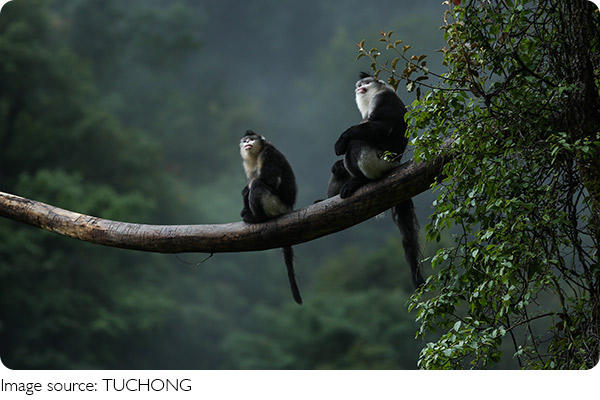
Monkey Troops: Power Through Alliances
Monkeys, especially macaques and baboons, live in groups where dominance isn't just about muscle. To climb up, individuals often form clever coalitions. A lower-ranking male might buddy up with a few others to challenge the top dog. Females, too, build long-term alliances that help secure food, grooming, and protection for their offspring.
What's striking is the “power plays” involved. Monkeys will reconcile after fights, trade grooming for support, and sometimes even fake friendliness just to gain leverage. A weak monkey with the right friends can rise higher than a stronger loner. It's not just survival of the fittest—it's survival of the smartest networker.
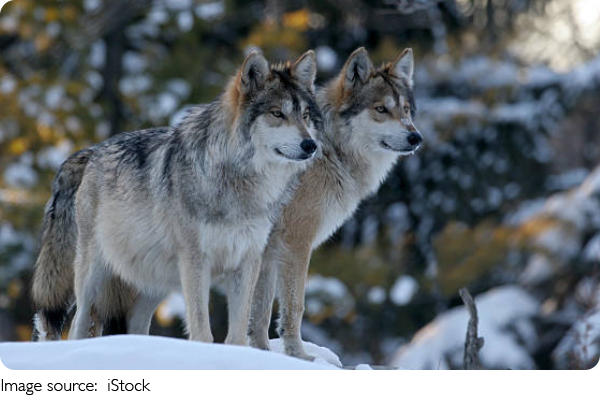
Wolf Packs: The Alpha Illusion
We often hear about the “alpha wolf,” but in reality, wolf packs are more like families. The dominant pair usually lead because they're the breeding pair, not because they fought their way to the top. Still, challenges happen. A younger wolf might push for more say in hunts or try to sneak into the mating role.
Here, status is earned by contribution. The wolf that proves reliable during hunts, or shows skill in protecting the group, gains trust. Loyalty matters as much as ambition. Those who disrupt too much risk being pushed out—solitary life is rarely kind.
Shared Strategies Across Species
Looking at monkeys and wolves side by side, three lessons jump out:
1. Alliances trump brute force. In both groups, individuals rise faster by building trust than by fighting nonstop.
2. Status is fragile. Today's alpha may be tomorrow's exile if they fail to maintain respect.
3. Rules exist—even if unwritten. From grooming rituals to hunting cooperation, the group enforces social contracts that keep chaos in check.
These dynamics echo human workplaces and communities more than we'd like to admit. Power isn't static; it's constantly negotiated.
The Cost of Climbing
For animals, chasing status isn't just a game—it can be life or death. A baboon that loses dominance may lose access to mates. A wolf that challenges too hard could be forced to leave the pack and starve. Ambition comes with risk, and many play carefully, balancing bold moves with cautious diplomacy.
What We Can Learn
Watching animals reveals that hierarchies are natural but not fixed. The strongest leaders are those who balance authority with cooperation. Whether in a forest canopy or a modern office, keeping allies close and respecting the group's rules often matters more than raw strength.
So next time you see a nature documentary showing monkeys grooming each other or wolves hunting in sync, remember: behind those scenes are layers of negotiation, subtle signals, and power struggles that aren't so different from our own.
At the end of the day, animals remind us that ambition is universal, but so is the need for community. Power might get you to the top, but relationships help you stay there. And maybe that's the wildest lesson of all.