First Cut

Pardeep Singh
| 27-04-2026
 · Art Team
You stand in front of a raw block of material. No detail, no expression, no story yet—just mass and potential. The studio is quiet, and for a brief moment, everything depends on what happens next.
The first cut is made, and suddenly, the work has direction. Not detail, not refinement—direction.
In sculpture, that first decision carries more weight than it seems. It doesn't just remove material; it defines structure.
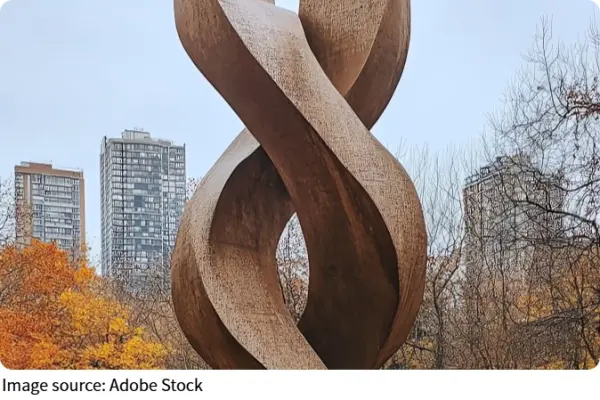
The First Cut Sets the Language
Before anything becomes recognizable, sculpture exists as geometry. The initial cut determines how that geometry will behave.
A slight angle changes balance. A deeper removal shifts perceived weight. Even the direction of the first mark influences how the eye will later travel across the surface.
This is not about detail—it is about establishing the visual language of the entire piece.
Once that language is set, everything that follows has to respond to it.
Structure Comes Before Expression
It is tempting to think sculpture is built through detail. But in reality, expression cannot survive without structure.
The early stage is about proportion and mass distribution. Where the volume sits, how it leans, and how it occupies space all come first.
1. Establishing overall silhouette
2. Defining balance between mass and emptiness
3. Setting directional flow of the form
If these foundations are unstable, no amount of refinement later can fully correct it. The structure decides what is possible.
Small Decisions, Large Consequences
The first cut is often irreversible. Once material is removed, the relationship between all parts changes.
This is why early hesitation is normal. Every decision at this stage carries disproportionate influence over the final outcome.
A slightly thicker base can make a figure feel grounded. A narrower transition can make it feel lighter or more dynamic. These are subtle shifts, but they shape perception permanently.
What looks like a small adjustment is actually a foundational decision.
The Eye Follows the First Gesture
Viewers rarely analyze sculpture step by step. Instead, they absorb it as a whole impression. That impression is guided by early structure.
The first gesture created by the artist becomes the visual entry point. From there, the eye naturally follows the flow already embedded in the form.
If that initial direction is clear, the entire sculpture feels coherent. If it is unclear, even detailed surfaces can feel disconnected.
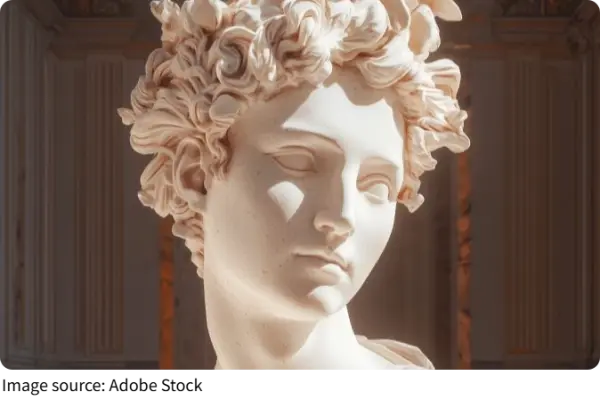
Why Early Control Matters Most
As the sculpture develops, refinement adds complexity, but it rarely changes direction. The underlying structure remains constant.
This is why experienced sculptors often spend more time on early shaping than final detailing. They are not just creating form—they are controlling how the form will behave at every later stage.
In the end, the first cut is not just a physical action. It is a decision about identity. It defines proportion, movement, and emotional tone long before the surface is finished. And once that first gesture is made, the sculpture has already begun to tell its story.