Material Matter

Chris Isidore
| 27-04-2026
 · Art Team
You pick up a block of material and the entire creative process is already being decided before a single mark is made.
It might feel like freedom at first—just raw possibility—but the moment tools meet surface, the material starts to speak back. It resists, yields, fractures, or stretches in ways that quietly guide every decision.
In sculpture, material is never passive. It shapes both process and outcome.
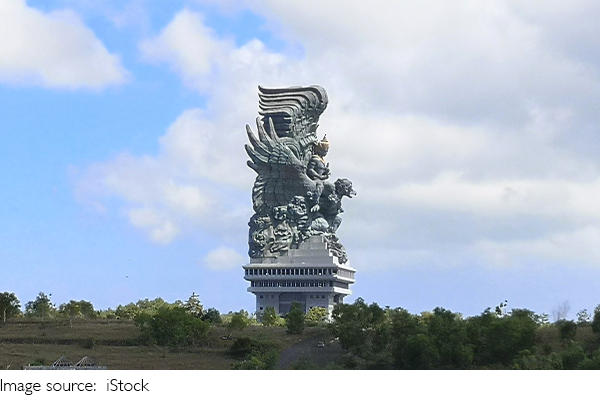
Stone: Slow Decisions, Permanent Results
Stone demands commitment. It is dense, resistant, and unforgiving once removed. Every cut is final, which means planning happens long before action.
Because of this, sculpting stone often begins with restraint. The artist removes material gradually, always aware that mistakes cannot be easily reversed.
This limitation leads to clarity. Forms tend to be bold, simplified, and structurally strong. Fine detail is possible, but only after the overall shape is fully controlled.
Stone teaches patience through permanence.
Metal: Strength and Precision Under Control
Metal introduces a different relationship. It can be melted, welded, bent, and joined. Unlike stone, it allows transformation after initial shaping.
This flexibility opens space for complex structures and sharp transitions. Thin extensions, sharp edges, and dynamic balance become possible in ways that other materials struggle to support.
However, metal also demands technical control. Heat, weight, and structural integrity must all be managed carefully.
1. High structural strength enables extended forms
2. Surface treatment changes visual tone significantly
3. Assembly allows modular construction and revision
Metal balances freedom with engineering logic.
Clay: Immediate Response and Continuous Change
Clay is the most responsive of the three. It reacts instantly to touch, holding every gesture with clarity. This makes it ideal for exploring form in real time.
Unlike stone or metal, clay remains changeable throughout the process. It can be added to, reshaped, or completely reworked without resistance.
This flexibility encourages experimentation. Subtle shifts in pressure can create expressive surfaces, and fine details can be developed gradually.
Clay captures process as much as result.
How Material Shapes Artistic Thinking
Each material does more than affect technique—it influences decision-making itself. The same idea can take completely different forms depending on what it is made from.
Stone encourages certainty. Metal supports structure and innovation. Clay allows exploration and adjustment.
The material does not just execute the idea; it filters it.
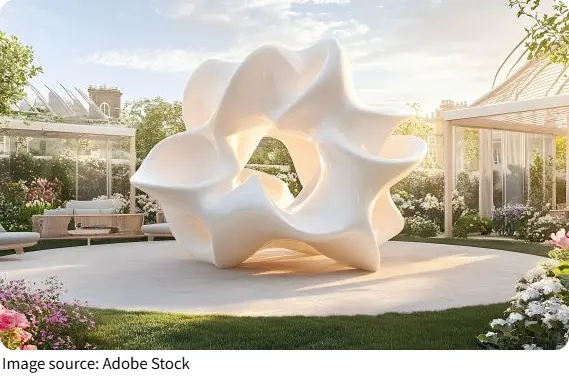
Limits That Become Creative Direction
What might initially feel like restriction often becomes guidance. Hardness, flexibility, and responsiveness all define what is possible.
Instead of fighting these characteristics, sculptors learn to work with them. Over time, limitations turn into style, and material behavior becomes part of artistic identity.
In the end, sculpture is not only about what is created, but how it is shaped by what it is made from. Stone, metal, and clay each lead the process in different directions, turning material choice into one of the most important creative decisions of all.