Color Harmony

Chandan Singh
| 05-03-2026
 · Plant Team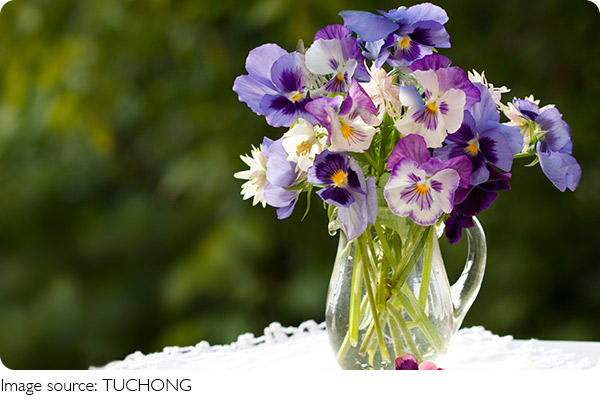
A flower shop window can stop people in their tracks.
One arrangement glows with deep orange flowers beside cool blue blooms, while another displays layers of soft pink petals fading into pale cream.
Even without knowing anything about floral design, most people immediately sense when a bouquet feels balanced. That feeling often comes from color harmony.
Florists rely on principles borrowed from art and design to guide their choices. By combining colors thoughtfully, they create arrangements that feel energetic, calm, or elegant. Two of the most widely used methods are complementary color schemes and monochromatic palettes. Understanding these approaches reveals why some bouquets feel striking while others feel quietly refined.
Understanding Complementary Color Combinations
1. Opposite colors create contrast
Complementary colors sit opposite each other on the color wheel. When placed together, they naturally create strong visual contrast. A classic example is purple flowers paired with yellow blooms. The contrast makes each color appear brighter and more vivid, which is why florists often use this method for arrangements meant to capture attention.
2. Balance prevents visual overload
While complementary colors are powerful, balance is essential. Designers rarely use equal amounts of both colors. Instead, one color usually dominates while the other acts as an accent. For example, a bouquet might contain mostly blue flowers with a few orange blossoms woven through the arrangement. This approach keeps the composition lively without becoming overwhelming.
3. Greenery softens strong contrasts
Leaves and branches often act as a natural bridge between contrasting colors. Green foliage surrounds bright blossoms and gently separates them, making the overall arrangement feel more cohesive. This is one reason why many floral arrangements include generous amounts of greenery around vibrant flowers.
The Elegance of Monochromatic Designs
1. One color, many variations
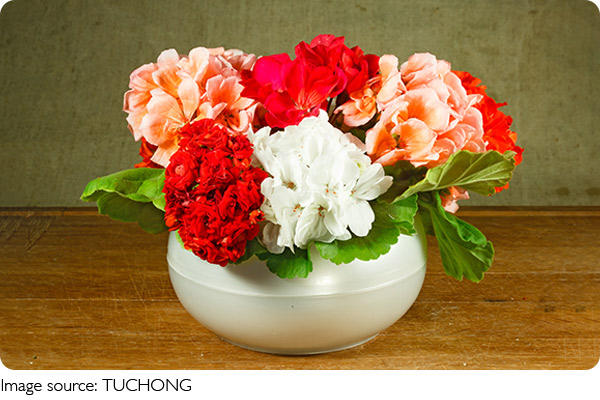
A monochromatic arrangement uses a single base color while exploring different shades and tones within that range. For instance, a bouquet built around pink may include deep rose flowers, soft blush petals, and nearly white blossoms. Even though the colors are similar, the variation creates depth and richness.
2. Texture becomes more important
When a bouquet uses only one color family, shape and texture play a larger role. Florists often combine different flower forms—rounded blossoms, slender stems, and delicate filler flowers—to prevent the arrangement from looking flat. This technique adds visual interest without relying on contrasting colors.
3. Gradual color transitions
Many designers arrange monochromatic bouquets in subtle gradients. Darker flowers may appear near the center, gradually shifting to lighter tones toward the edges. This gentle transition creates a natural sense of movement, almost like watching colors fade across a sunset sky.
Practical Tips for Harmonious Arrangements
1. Limit the color palette
A common guideline in floral design is to use no more than two or three primary colors in one arrangement. Too many colors can make the bouquet feel chaotic. Restricting the palette allows each flower to stand out clearly.
2. Observe natural inspiration
Nature itself provides excellent examples of color harmony. Garden beds often display flowers in repeating color groups, and wildflower fields frequently contain clusters of related shades. Observing these natural patterns can help guide floral choices.
3. Consider the surrounding environment
Color harmony does not exist only within the bouquet. The table setting, room lighting, and nearby decorations all influence how colors appear. A soft pastel arrangement may suit a bright daytime setting, while deeper tones often complement evening gatherings.
Color harmony in floral design is both an art and a quiet science. A florist might spend only a few minutes arranging stems, yet the result reflects centuries of artistic understanding about how colors interact. Complementary palettes bring excitement and contrast, while monochromatic designs offer calm elegance.
Next time you pass a flower stand or arrange flowers at home, pause for a moment and look closely at the colors. Notice which shades echo each other and which ones create gentle contrast. With a little observation, those simple bouquets begin to reveal the thoughtful design hidden within every petal.