Leopard Adaptations

Caroll Alvarado
| 05-03-2026
 · Animal Team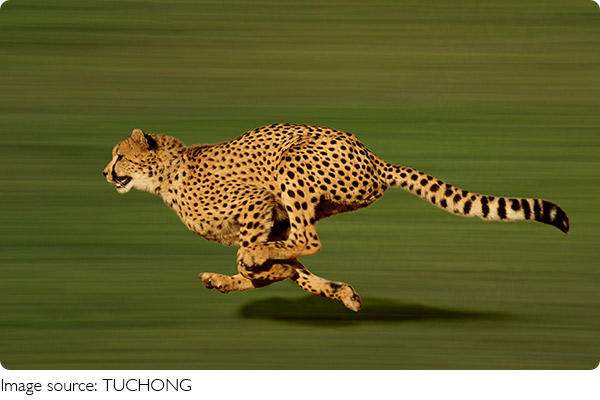
Walking through a dense forest or along a rocky hillside, it's easy to imagine a golden blur slipping silently through the shadows.
A leopard moves with such precision and stealth that spotting one in the wild is rare, even in regions where they are common. Their presence often goes unnoticed, yet every step, climb, and leap is a result of millions of years of specialized adaptation.
Leopards are among the most versatile big cats. Unlike lions, which rely on strength and group hunting, leopards survive alone, navigating a variety of landscapes from savannahs to mountain slopes. Their physical traits are tailored for stealth, power, and flexibility, allowing them to hunt, escape danger, and store food in ways few predators can match.
Camouflage and Coat Patterns
1. Rosette-patterned fur
A leopard's distinctive spots, called rosettes, break up its outline, making it nearly invisible in forests or tall grass. These patterns are not random; they are carefully designed by evolution to match the dappled light and shadows of natural habitats. Whether resting in a tree or stalking prey, the pattern allows leopards to remain unseen until the perfect moment to strike.
2. Seasonal and regional variations
Leopard coats vary depending on location. Individuals in denser forests tend to have darker, closely spaced spots, while those in open savannahs display lighter, more widely spaced patterns. These variations enhance camouflage for the local environment and improve hunting success.
3. Concealment during day and night
Leopards are primarily nocturnal hunters. Their coat works effectively under the moonlight and shadows, allowing them to approach prey without detection. Even in daylight, when resting in trees, the pattern mimics leaves and sunlight filtering through branches.
Climbing and Physical Agility
1. Strong, flexible limbs
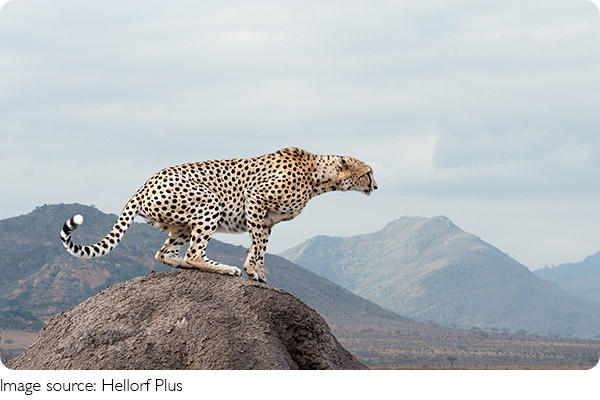
Leopards have muscular legs with extraordinary flexibility, enabling them to leap up to six meters horizontally or climb vertical tree trunks with ease. This strength allows them to escape threats and carry prey into branches, keeping it safe from scavengers like hyenas or lions.
2. Retractable claws
Retractable claws serve multiple functions: gripping tree bark during climbing, securing prey during hunts, and aiding silent movement across forest floors. Unlike non-retractable claws, these remain sharp and hidden when not in use, giving leopards a constant edge in both hunting and defense.
3. Balancing skills
A leopard's long tail acts as a counterbalance during climbing, running along narrow ledges, or leaping from branch to branch. This remarkable balancing ability increases maneuverability, reducing the chance of injury while moving through challenging terrain.
Hunting Adaptations and Stealth
1. Acute senses
Leopards possess excellent vision, particularly in low light, alongside sharp hearing and an acute sense of smell. These senses allow them to detect prey before it detects them, crucial for solitary hunters relying on stealth rather than speed in open chases.
2. Silent movement
The combination of padded paws, retractable claws, and a low, deliberate gait ensures that leopards can approach prey quietly. This stealthy approach reduces the energy spent during hunts and increases the likelihood of capturing agile animals such as antelope or monkeys.
3. Strength to secure prey
Once the leopard strikes, its muscular body allows it to overpower animals much larger than itself. Coupled with climbing skills, leopards can hoist prey weighing over 30 kilograms into a tree, avoiding competition from scavengers.
The leopard's adaptations illustrate a perfect combination of stealth, power, and flexibility. From the hidden patterns of its fur to the strength in its limbs, every trait enhances its survival in unpredictable environments. Observing these cats, even in photos or documentaries, is a reminder of how evolution shapes creatures to thrive quietly but effectively.
Next time you imagine a leopard in the wild, picture not just a spotted predator, but a highly specialized hunter, perfectly designed to move unseen, hunt efficiently, and survive across a range of habitats. Their physical mastery is as much a marvel as their elusive presence.