Net-Patterned Giraffe Facts
Ravish Kumar
| 25-02-2026
 · Animal Team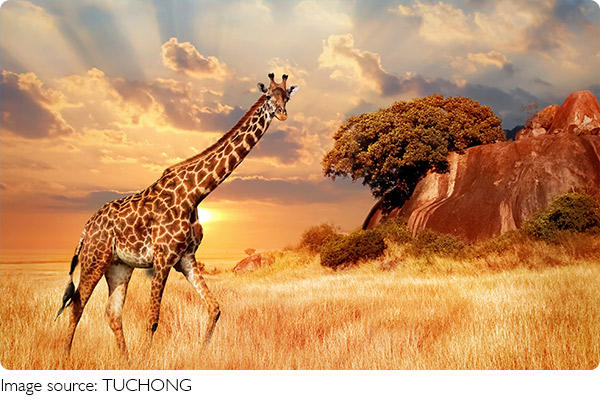
Watching a giraffe gracefully reach for leaves can feel almost unreal.
Their long necks stretch effortlessly toward the highest branches, and their patterned coats shimmer in the sunlight.
But there's more to the net-patterned giraffe than meets the eye—these animals are full of fascinating adaptations that help them thrive in their habitats.
Distinctive Coat Patterns
The net-patterned giraffe gets its name from the unique web-like spots covering its body. These patterns aren't just beautiful—they serve practical purposes:
Camouflage in the savannah – The irregular patterns break up the giraffe's outline, making it harder for predators to spot them among trees and bushes.
Individual identification – Each giraffe has a unique pattern, which helps mothers recognize their calves and researchers track individuals over time.
Thermoregulation – The lighter spaces between patches may help dissipate heat, keeping the giraffe cooler under the intense sun.
For example, wildlife photographers often spot net-patterned giraffes blending almost seamlessly with acacia trees in early morning light, demonstrating how effective their camouflage can be.
Feeding Strategies
Giraffes are browsers, preferring leaves, buds, and shoots high in trees. Their height gives them access to food sources that most other herbivores can't reach.
Selective feeding – Giraffes carefully pick tender leaves, avoiding thorns with their prehensile tongues. A tongue can be up to 45 cm long and dark in color to resist sunburn.
High feeding range – The neck and legs allow them to reach branches up to 6 meters off the ground.
Seasonal adjustments – During dry seasons, they may consume more fibrous plant material or dry leaves when fresh foliage is scarce.
In practice, a single giraffe may travel several kilometers in a day to reach the best trees, demonstrating how their feeding behavior is both strategic and energy-efficient.
Social Behavior and Communication
Though giraffes appear solitary at times, they exhibit subtle social behaviors that strengthen group cohesion.
Loose herds – Giraffes form temporary groups, often based on age, gender, or food availability, which provides safety in numbers against predators.
Necking contests – Males engage in gentle sparring with their necks to establish dominance or compete for mates, a behavior that balances aggression and social order.
Nonverbal signals – Body posture, head movements, and tail flicks convey moods and intentions. For instance, a raised tail can indicate alertness or potential danger.
Observers at wildlife reserves note that these subtle communications help giraffes maintain harmony without frequent physical confrontations, highlighting their sophisticated social intelligence.
Reproduction and Calf Care
Calves face significant challenges immediately after birth, so giraffes have evolved strategies to improve survival rates.
Birthing in seclusion – Mothers often seek quiet, hidden areas to give birth, reducing exposure to predators.
Rapid mobility – Newborns can stand within an hour, allowing them to follow the mother quickly if threatened.
Vigilant maternal care – Mothers keep calves close, watching for danger and occasionally moving them to fresh hiding spots.
A wildlife study found that calves with attentive mothers were significantly more likely to survive their first year, emphasizing the importance of maternal vigilance in giraffe populations.
Adaptations for Survival
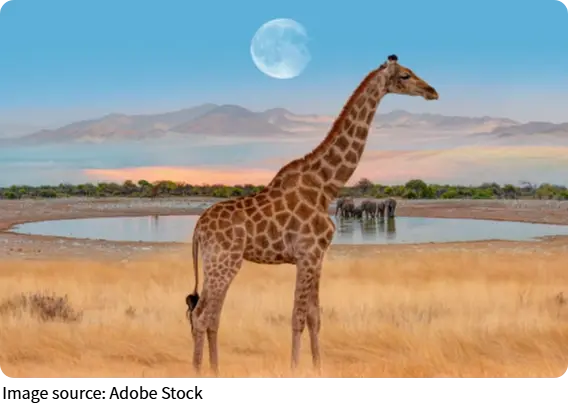
Beyond their height and patterns, net-patterned giraffes possess other physical traits that enhance survival.
Powerful legs – Strong enough to deliver a lethal kick, deterring predators.
Efficient circulatory system – Their hearts pump blood effectively to the brain despite the long neck, preventing fainting while bending down to drink.
Flexible diet – Ability to consume a variety of leaves and shoots helps them endure seasonal changes in plant availability.
Park rangers often note that giraffes rarely compete directly with other herbivores due to their unique feeding height, a key factor in their ecological niche.
Watching a net-patterned giraffe navigate its environment is like witnessing evolution in action. Their patterns, feeding habits, social signals, and survival strategies work together seamlessly, creating one of the most captivating animals on the planet. The next time you see one stretching toward the treetops, consider the intricate adaptations that allow it to thrive—each spot, stride, and gesture is a testament to life perfected for the savannah.